


Best Hair Care Routine for Dry and Damaged Hair
Dry hair making you feel like a tangled garden? You’re not alone! Many people struggle with brittle, frizzy, or damaged hair due to heat…
Read Time: 7 minutes
Dry hair making you feel like a tangled garden? You’re not alone! Many people struggle with brittle, frizzy, or damaged hair due to heat styling, chemical treatments, and environmental stress. These issues not only affect your hair’s appearance but also its strength, manageability, and overall health. That’s where a dedicated hair care routine comes in. Following a consistent, nourishing routine is essential for repairing damage, restoring moisture, and strengthening strands from root to tip. With the right combination of cleansing, conditioning, and targeted treatments, your hair can bounce back to a soft, shiny, and healthy state, no magic wand required!

Transform Damaged Hair – Start Now
Step 1: Nourish Your Hair with the Right Shampoo
The first step in any effective hair care routine is choosing the right shampoo. Using a nourishing shampoo designed for dry and damaged hair helps start the repair process by gently cleansing your scalp and strands without stripping away essential moisture.
Look for shampoos with hydrating ingredients like argan oil, shea butter, or keratin to strengthen your hair from the roots while keeping it soft and manageable.
Choosing the Right Shampoo for Dry and Damaged Hair
When selecting a shampoo for dry and damaged hair, it’s essential to choose a sulfate-free formula. Sulfates can strip your hair of natural oils, making dryness and frizz worse. A gentle shampoo cleanses your scalp without further damaging it, creating the perfect foundation for healthy hair.
Look for shampoos enriched with moisturizing ingredients like shea butter, argan oil, or coconut oil. These ingredients help restore moisture, repair damaged strands, and leave hair feeling soft, smooth, and manageable. If you struggle with dandruff, improving your scalp care routine can make a noticeable difference.
Step 2: Apply a Moisturizing Conditioner
After shampooing, using the right conditioners is essential to keep your hair healthy and hydrated. Conditioners help lock in moisture, smooth the hair cuticles, and reduce frizz, making your strands softer and easier to manage. Skipping this step can leave hair dry, tangled, and more prone to breakage.
For those following a wavy hair routine, a moisturizing conditioner is especially important. It enhances your natural waves, prevents them from looking frizzy or lifeless, and keeps hair looking shiny and defined. Regular conditioning helps keep your hair nourished, strong, and beautifully textured.
How to Choose the Best Conditioner for Damaged Hair
When selecting conditioners for damaged hair, look for moisturizing formulas that contain nourishing oils such as argan, coconut, or jojoba. These ingredients help restore hydration and add softness to dry, brittle strands.
Choose conditioners that repair damaged hair cuticles, smoothing the surface and reducing frizz and breakage. For extra care, leave-in conditioners are ideal, providing added moisture, protection, and manageability throughout the day, especially for those following a wavy hair routine.
Step 3: Use a Deep Conditioning Treatment
For severely dry or damaged hair, a deep conditioning treatment is a must-have step in your hair care routine. Unlike regular conditioners, deep treatments penetrate the hair shaft to repair, nourish, and restore moisture from within.
Using them regularly helps strengthen weak strands, reduce breakage, and bring back softness and shine, giving your hair a healthy, revitalized look.
Benefits of Deep Conditioning Masks
Incorporating deep conditioning masks into your routine provides essential nourishment and repair for damaged hair.
- Use a deep conditioning mask 1-2 times a week to replenish moisture and repair damage as part of a healthy hair routine.
- Choose masks with nourishing ingredients like keratin, honey, and avocado for intense hydration and repair.
- Deep conditioning helps restore shine, softness, and elasticity, making hair stronger, smoother, and more manageable.
- Regular use supports overall hair health, keeping strands resilient and less prone to breakage.
Step 4: Add a Leave-in Treatment for Extra Hydration
To keep your hair hydrated all day, incorporating leave-in treatments or serums is essential. These products provide continuous moisture, reduce frizz, and protect hair from environmental damage, making strands softer and easier to style.
For best results, apply a leave-in treatment on damp hair after washing. Combining it with nourishing hair oils can enhance hydration, especially for those following a curly hair routine, helping curls stay defined, bouncy, and healthy-looking throughout the day.
Step 5: Protect Hair from Heat Damage
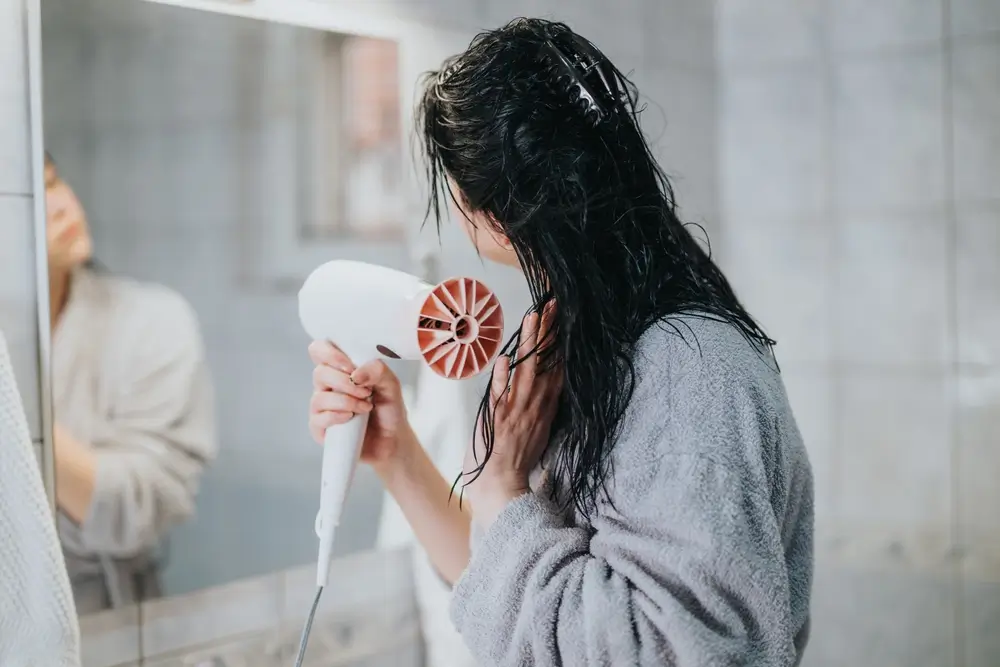
Heat styling tools like straighteners, curling irons, and blow dryers can worsen dryness and breakage if used without protection. Applying a hair serum before styling creates a protective barrier that locks in moisture and reduces the risk of heat damage.
In addition to using a hair serum, try lower heat settings and limit frequent styling. Protecting your hair from heat not only preserves its strength and shine but also keeps it smooth and healthy over time.
Heat Protection Tips for Damaged Hair
Follow these essential heat protection tips to restore damaged hair to its strong and healthy state.
- Always apply a heat protectant or hair serum before using any heat styling tools.
- Use low to medium heat settings to prevent further damage and dryness.
- Avoid daily heat styling and opt for air-drying whenever possible.
- Keep styling tools moving to avoid heat from concentrating on one section.
- Get regular trims to remove split ends and support healthier hair growth.
Step 6: Maintain Healthy Lifestyle Habits
A consistent hair care routine for hair growth goes beyond products; it starts with your lifestyle. A balanced diet rich in protein, vitamins, and minerals nourishes hair from within, while proper water intake keeps strands hydrated and less prone to breakage.
Along with mindful habits like reducing stress, avoiding harsh treatments, and sticking to gentle hair practices, these daily choices play a key role in promoting stronger, healthier, and more manageable hair over time.
Nutrition for Healthy Hair
Healthy hair begins with proper nutrition:
- A balanced diet that includes protein, iron, zinc, and omega-3 fatty acids helps strengthen hair strands and supports natural growth.
- Nutrient-rich foods like eggs, nuts, leafy greens, and fish provide the building blocks your hair needs to stay resilient and less prone to breakage.
- Vitamins also play a key role in hair health. Vitamins A, C, D, and E aid in scalp health, collagen production, and moisture retention.
When combined with a consistent hair care routine, good nutrition helps improve hair texture, shine, and overall manageability from the inside out.
Step 7: The Importance of Regular Hair Trims
Regular hair trims play a crucial role in maintaining healthy, damage-free hair. Trimming your hair every 6–8 weeks helps remove split ends before they travel up the hair shaft and cause further breakage. This simple habit keeps your hair looking fresher, smoother, and easier to manage, especially if you’re dealing with dryness or past damage.
For those following a wavy hair routine, regular trims are even more critical. They help maintain the natural shape and movement of waves, preventing them from looking uneven or frizzy. By keeping ends healthy and well-shaped, trims support better texture, improved styling results, and long-term hair health.
Glow Effortlessly, Shop Trusted Brands
FAQs – Hair Care Routine
What is the perfect hair care routine? +
The perfect hair care routine balances cleansing, conditioning, and protection depending on your hair type. Regular trims, minimal heat styling, and nourishing treatments keep hair healthy and strong.
How to get thick hair? +
To get thicker hair, focus on a nutrient-rich diet, gentle scalp care, and avoiding excessive heat or harsh chemicals. Regular scalp massages, proper hydration, and strengthening treatments like deep conditioning can also promote volume and density.
Can oiling make hair thicker? +
Yes, oiling can help make hair appear thicker by nourishing the scalp, reducing breakage, and improving hair strength. While it doesn’t increase hair follicles, it promotes healthier, fuller-looking hair over time.
Conclusion
Maintaining a consistent hair care routine for hair growth is key to achieving healthier, stronger, and more manageable hair. By combining proper cleansing, conditioning, scalp care, and nourishing treatments, you can reduce hair breakage, promote shine, and support natural growth over time. Small daily habits, like gentle brushing and protecting hair from heat, make a big difference in long-term results.
Remember, patience and consistency are essential. Sticking to a personalized hair care routine for hair growth allows your hair to recover from damage, retain moisture, and gradually become thicker and more resilient. With dedication, you can restore your hair’s natural beauty and enjoy a healthier, fuller-looking mane.
You can explore a wide range of beauty and hair care products at Eshaistics.