


What Causes Forehead Acne and How to Treat It Permanently
Because the forehead naturally produces more oil than the rest of the face, it is one of the most common areas for acne. It…

Read Time: 9 minutes
Because the forehead naturally produces more oil than the rest of the face, it is one of the most common areas for acne. It becomes the ideal location for clogged pores and frequent breakouts when combined with daily environmental accumulation, perspiration, and continuous exposure to hair. It can be annoying when these pimples keep showing up even after following a regular skincare routine. For many, forehead acne affects more than just the skin; it also affects comfort, self-esteem, and overall appearance.
For long-term relief, it is crucial to understand the underlying causes of these outbreaks. Knowing what causes your acne can help you choose the best pimples treatment and make smart routine changes, rather than relying on temporary fixes.
You can finally break the cycle of frequent forehead acne and restore a healthier, smoother complexion with the right strategy and consistent face care.
Understanding Forehead Acne
Forehead acne is a breakout that appears on the upper part of your face. Excess oil, clogged pores, and external irritants such as sweat or hair products are the culprits. Acne on the cheeks or jawline is different than forehead acne. The cause of this acne is hormonal fluctuations. For forehead acne, more often than not, surface-level factors such as accumulation, friction, and poor hygiene are the culprits. The forehead becomes more prone to congestion and frequent breakouts. Why? Because the forehead produces more sebum due to its exposure to hair and environmental impurities.
Using the appropriate products, like those suggested in our guide to the Best Toner for Acne Prone Skin, will help balance oil production and maintain clear pores if you’re looking into pimple treatment options.
Why the Forehead Is More Vulnerable to Acne
The forehead is naturally prone to excess oil because it lies in one of the skin’s most sebum-rich areas. Additionally, it often comes into contact with sweat, hair, styling products, and environmental contaminants, all of which can clog pores. Over time, bacteria and dead skin cells accumulate more easily in this area, which makes it ideal for breakouts to develop.

Main Causes of Forehead Acne
A combination of environmental irritants, skin imbalances, and lifestyle choices can cause breakouts on the forehead. The first step to having smoother skin is figuring out what’s causing pimples on forehead. A number of factors, including excess oil, plugged pores, hair products, and stress, are the causes of these annoying flare-ups.
Excess Oil Production
When your forehead’s sebaceous glands become hyperactive, they produce more oil than your skin needs. This extra oil combines with dirt and dead skin cells, creating ideal conditions for plugged pores. Bacteria can accumulate in these pores when they become blocked, causing inflammation and the formation of pimples.
Hormonal Imbalance
The menstrual cycle, PCOS, puberty, or increased stress hormones can all cause hormonal changes that cause your sebaceous glands to generate extra oil. This sudden increase often leads to clogged pores and pimples on the face, especially on the forehead, where oil tends to build up quickly.
Hair Products & Styling Residue
Pomades, gels, serums, and even dry shampoos can leave a residual layer on your hairline and forehead. These cosmetics often contain heavy chemicals, oils, and silicones that clog pores and trigger outbreaks. Pomade acne is another name for this type of acne on the forehead. The main reason is product buildup that traps bacteria and triggers inflammation.
Poor Skincare Habits
Your habits, such as overwashing your face, weaken your skin barrier. Not fully removing makeup or using harsh cosmetics can add to weakening. Your skin often responds by producing excess oil. This happens when there is inflammation or depletion of the natural oil barrier. It leads to clogged pores and breakouts. Because harsh substances and improper washing can affect skin beyond the face, these same habits can also lead to problems like back pimples.
Diet & Lifestyle Triggers
Your lifestyle and diet have a significant impact on the behavior of your skin. Lack of sleep increases stress hormones, high sugar or dairy consumption can stimulate hormones that increase oil production, and dryness makes your skin more prone to irritation, all of which can cause breakouts on your forehead.
A common question is, “Does Peanut Butter Cause Acne?” Although peanut butter isn’t a direct cause, people who already have sensitive skin may find their acne made worse by its high fat content and additional sugars in some varieties.
Stress and Mental Health
Stress causes your body to release cortisol, a hormone that tells your oil glands to increase sebum production. This extra oil easily plugs pores, causing outbreaks along the hairline and forehead. Any strategy to get rid of pimples must include stress management, as cleaner, more balanced skin often results from a calmer mind.
Types of Forehead Acne You Should Know
Knowing the type of acne on your forehead is crucial, as each type requires a different therapy. You can select the best skin care products and care routine for quicker, more efficient results if you know what you’re dealing with.
- Whiteheads are tiny, white or flesh-colored lumps that result from clogged pores that are trapped beneath the skin. They often appear in groups around the forehead.
- Blackheads are dark, open, clogged pores that form when oil and dead skin oxidize. These often appear on the forehead and in the T-zone.
- Papules are tiny, red, swollen lumps that are sensitive to the touch. They frequently form clusters on the forehead and show inflammation beneath the skin’s surface.
- Pustules are red pimples with a white or yellow core that resemble papules but are filled with pus. They often occur when bacteria spread through constricted pores.
- Large, painful, deep pimples beneath the skin, caused by severe inflammation, are known as cystic acne. They often require medical attention and may present as tender, swollen lumps on the forehead.
How to Treat Forehead Acne Permanently
A routine that addresses the underlying causes of forehead acne, excess oil, plugged pores, and germs is necessary for long-term treatment. Maintaining a balanced skincare routine, selecting non-comedogenic products, eating a balanced diet, and managing stress are all necessary for long-term success.
Daily Skincare Routine for Acne-Free Forehead
To remove excess oil and impurities without irritating your skin, start with a gentle cleanser. To keep your forehead moistened without blocking pores, apply a non-comedogenic moisturizer afterward. Additionally, wear sunscreen every day to protect your skin from irritation, dark spots, and future breakouts. For additional advice, see our guide on DIY Face Masks for Acne-Prone Skin.
Active Ingredients That Work
- Salicylic acid exfoliates deeply into the skin, helping clear pores, which makes it perfect for minimizing breakouts and blackheads.
- For a smoother, clearer complexion, Niacinamide reduces inflammation, regulates oil production, and strengthens the skin barrier.
- Tea Tree Oil has natural antibacterial qualities that help lower bacteria that cause pimples on the chin and relieve redness.
- Acne-causing bacteria are effectively eliminated by benzoyl peroxide, which also helps rapidly reduce active pimples.
- Retinoids are effective for long-term acne control because they increase cell turnover, unclog pores, and improve skin texture.
Best Home Remedies for Forehead Acne
Simple home treatments for mild to moderate pimples on forehead can help minimize breakouts and reduce irritation. Applying honey, aloe vera gel, or diluted tea tree oil can naturally fight bacteria and soothe sore skin. These mild treatments are perfect for everyday usage without drying you out.
Additionally, you can use clay masks to absorb extra sebum, green tea toner to reduce oil, and warm compresses to expand pores. Over time, these natural solutions promote healthier, brighter skin when combined with a clean skincare routine.
Professional Treatments for Stubborn Forehead Acne
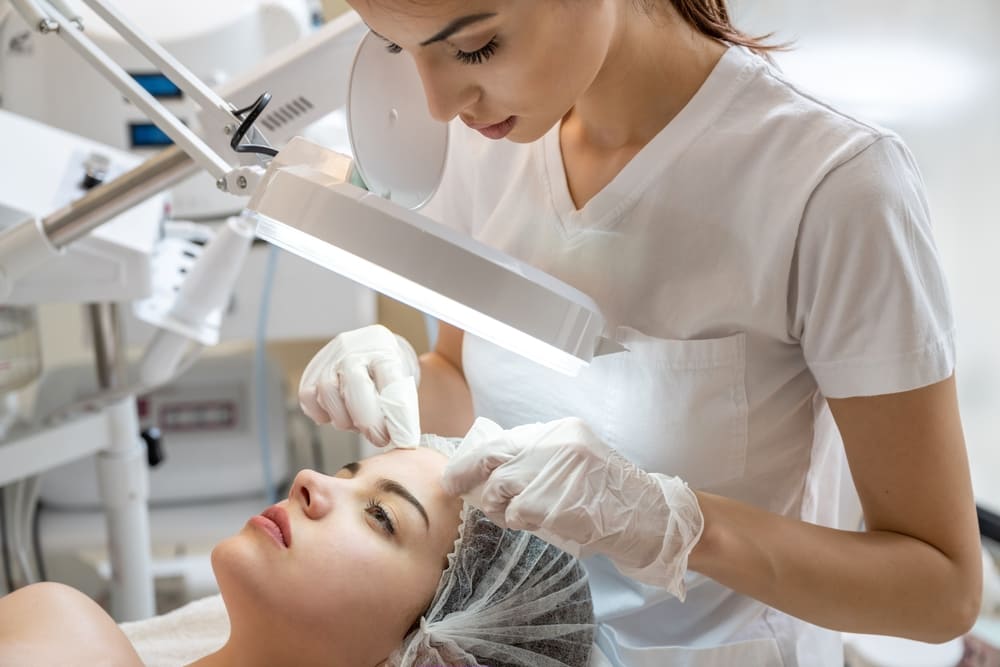
Clinic-level solutions may provide better outcomes for persistent breakouts that don’t improve with at-home treatment. To thoroughly clear pores, reduce inflammation, and improve skin texture, dermatologists may recommend modern pimples treatment methods such as chemical peels, laser therapy, or microdermabrasion.
For treating severe acne, prescription-strength drugs such as oral antibiotics or topical retinoids may be required. To safely treat stubborn forehead acne and prevent future flare-ups, a professional skin assessment helps determine the best course of action.
How to Prevent Forehead Acne from Coming Back
- Use a mild cleanser to wash your face twice a day.
- Regularly clean your hairline to avoid accumulation.
- Throughout the day, minimize touching your forehead.
- To reduce the spread of bacteria, replace pillowcases weekly.
- Use skincare and cosmetics without oil.
- Drink enough water to support your skin’s overall health.
Recommended Skincare Products by Eshaistics
Eshaistics offers a wide range of skincare products to help you achieve a smoother, healthier complexion, control skin breakouts, and balance your skin. Every product, from mild cleansers to targeted acne remedies, is selected to deliver effective daily maintenance and long-term results. You’ll find top-notch solutions catered to your needs, whether you’re dealing with general skin issues, clogged pores, or acne on your forehead.
Our staff can assist you if you’re not sure where to begin or require product recommendations based on your skin type. For personal advice, just contact us, and we’ll direct you to the best ways to improve your skincare routine and boost your self-esteem.
FAQs – Forehead Acne
What is the cause of acne on the forehead? +
Pimples on forehead are often caused by excess oil production, clogged pores, and bacterial buildup. It can also be triggered by stress, poor diet, or hair and skincare products that irritate the skin.
How to get rid of forehead acne? +
To get rid of forehead acne, maintain a consistent skincare routine with gentle cleansing and oil-free products. Exfoliate regularly, avoid touching your face, and use treatments containing salicylic acid or benzoyl peroxide.
Is forehead acne linked to diet? +
Yes, forehead acne can be linked to diet. Foods high in sugar, dairy, and processed items may trigger breakouts in some people. Maintaining a balanced diet rich in fruits, vegetables, and whole grains can help improve skin health.
Your Path to Clear, Healthy Skin
With the right strategy and regular maintenance, clear, healthy skin is achievable. You may reduce breakouts and maintain your skin’s youthful, glowing appearance by following an effective pimples treatment routine that includes gentle cleansing, targeted topical treatments, and a balanced lifestyle.
Remember, patience and consistency are key. A clear complexion and a smooth, acne-free forehead can be achieved over time by combining good skincare practices with a balanced diet, stress reduction, and avoidance of irritants.